
Introduction
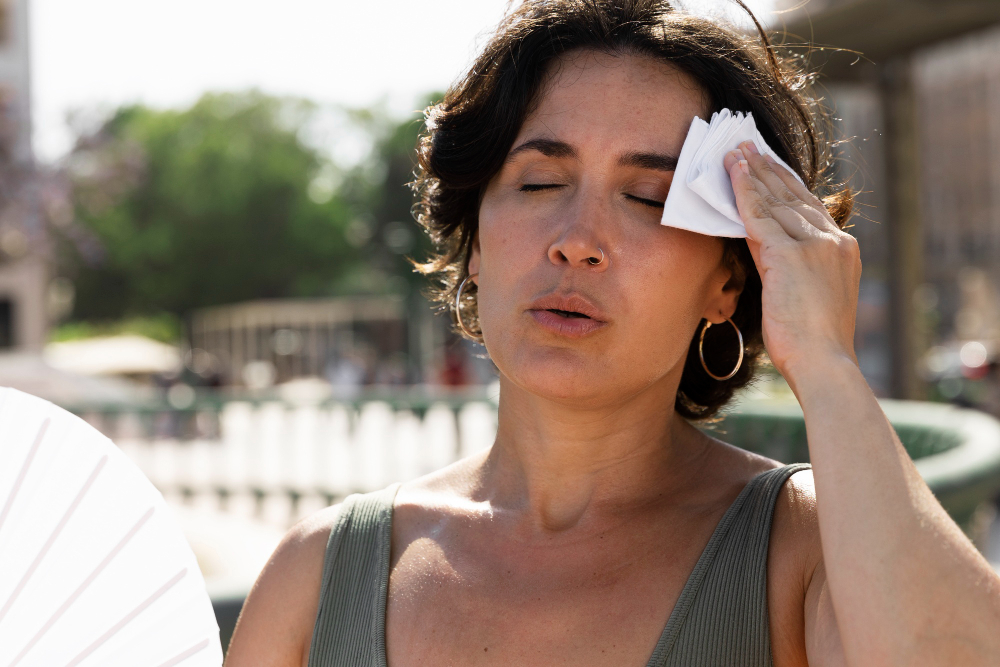
Heat stroke is a serious condition that happens when your body overheats. It can be life-threatening if not treated quickly. Many people look for natural remedies for heat stroke, and some turn to homeopathy for heat stroke relief. Homeopathy is a system of medicine that uses small doses of natural substances. Some believe it can help with symptoms of heat stroke. However, it is important to know how it works and when to seek medical help.
Symptoms of Heat Stroke
Recognizing the signs of heat stroke early can save lives. Common symptoms include:
If you notice these symptoms, act quickly. Move to a cool place and seek help.
Causes and Risk Factors
Heat stroke often happens during hot weather or after hard exercise. Your body cannot cool down fast enough. As a result, your temperature rises quickly. Several factors can increase your risk:
Because of these risks, it is important to stay alert during heat waves.
Homeopathic Remedies for Heat Stroke
Some people use homeopathic treatment for sunstroke as a gentle approach. Homeopathic remedies are chosen based on your symptoms and overall health. Here are some common remedies:
Homeopathic remedies are selected by a trained practitioner. They consider your unique symptoms. Although many people use these remedies, safety is important. Homeopathic medicines are usually safe when used as directed. However, they should not replace emergency care for severe heat stroke.
Diagnosis and When to Seek Medical Help
Heat stroke is a medical emergency. If you or someone else has symptoms like confusion, fainting, or a very high temperature, call emergency services right away. While natural remedies for heat stroke may help mild cases, severe symptoms need fast medical care. Doctors may check your temperature, heart rate, and other signs to confirm heat stroke. Early treatment can prevent serious problems.
Prevention Tips and Lifestyle Guidance
Preventing heat stroke naturally is possible with some simple steps. Here are some tips:
By following these steps, you can lower your risk of heat stroke.
Scientific Evidence and Safety Considerations
According to the World Health Organization (WHO) and the Centers for Disease Control and Prevention (CDC), heat stroke needs urgent medical care. There is limited scientific evidence supporting homeopathic treatment for sunstroke. Most studies show that cooling the body and medical care are the best treatments. Homeopathic remedies may be safe for mild symptoms, but they should not delay emergency care. Always use homeopathy for heat stroke under the guidance of a qualified practitioner. For more information, visit the CDC’s heat stroke page.
Conclusion
Heat stroke is a serious health risk, especially during hot weather. While some people use homeopathy for heat stroke, it is important to know its limits. Always seek medical help for severe symptoms. For mild cases, homeopathic remedies may offer support. However, prevention and quick action are key. Consult a qualified homeopathic practitioner or healthcare provider for personalized advice.