
Introduction to Homeopathy and Its Core Principles
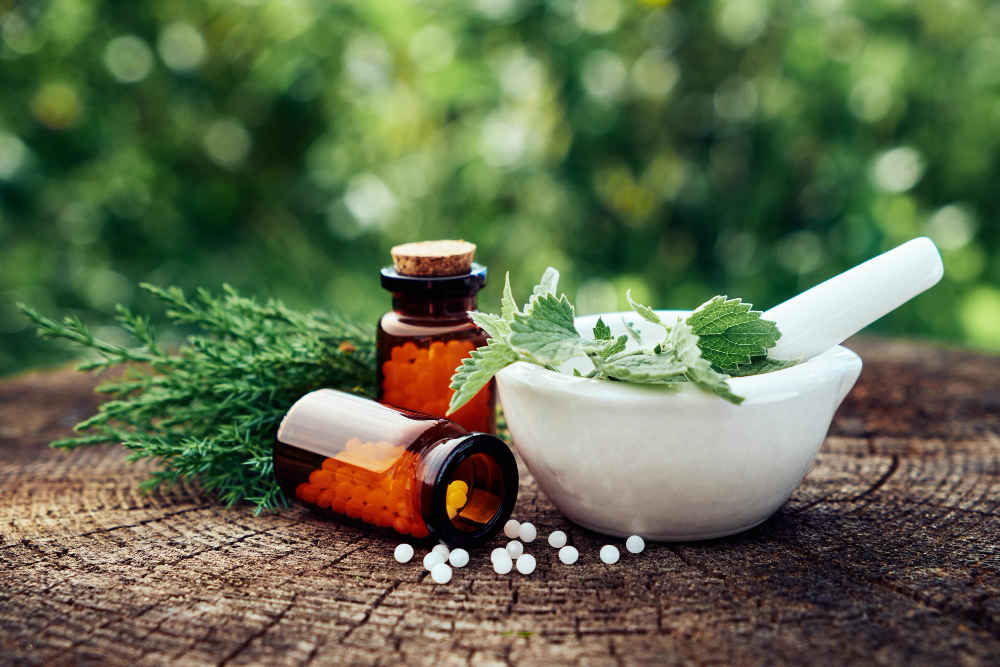
Homeopathy in 2025 continues to draw attention from people seeking gentle healing. This practice is based on the idea that “like cures like.” In other words, a substance causing symptoms in a healthy person may help treat similar symptoms in someone who is unwell. Homeopathic remedies are made from natural sources, such as plants and minerals. These remedies are diluted many times to make them safe. Many people choose homeopathy because it aims to treat the whole person, not just the illness.
The Evolution of Homeopathy: Traditional Roots to Modern Practice
Homeopathy began over 200 years ago in Europe. Since then, it has changed and grown. Today, modern homeopathy uses both old wisdom and new research. Many practitioners now use digital tools to track patient progress. In addition, some clinics combine homeopathy with other holistic healing methods. This blend helps meet the needs of today’s patients. As a result, homeopathy remains a popular choice in many countries.
Why Homeopathy Remains Relevant in 2025
There are several reasons why homeopathy in 2025 is still important. First, more people want natural and gentle treatments. Second, many patients look for care that considers their mind and body together. Third, modern homeopathy fits well with holistic healing trends. For example, some hospitals now offer homeopathic remedies alongside regular care. In many cities, patient demand for homeopathic care is rising. This shows that people value having more choices for their health.
Scientific Perspectives and Ongoing Research
Many scientists are studying homeopathy to learn how it works. Some research shows that homeopathic remedies may help with certain conditions, such as allergies or mild pain. However, results are mixed, and more studies are needed. The World Health Organization (WHO) suggests using homeopathy as a complementary therapy, not a replacement for standard care. Because of ongoing research, modern homeopathy continues to improve and adapt.
Benefits and Limitations of Homeopathy
Homeopathy offers several benefits, but it also has some limits. Understanding both can help you make informed choices.
However, homeopathy is not a cure for serious diseases. It should not replace emergency or life-saving care. Always talk to your doctor before starting any new treatment.
How Homeopathy Fits into Holistic Health and Wellness
Holistic healing looks at the whole person, not just symptoms. Homeopathy fits well with this approach. For example, a homeopath may ask about your lifestyle, emotions, and habits. This helps them choose a remedy that matches your unique needs. Many people use homeopathy along with yoga, meditation, or nutrition plans. Together, these methods can support better health and balance.
Safety, Regulation, and Choosing a Qualified Practitioner
Safety is very important in homeopathy. In many countries, homeopathic remedies are regulated to ensure quality. Still, it is wise to choose a qualified practitioner. Look for someone with proper training and certification. You can check with local health boards or homeopathic associations for trusted names. Always share your full health history with your practitioner. This helps them choose the best remedy for you.
Practical Tips for Those Considering Homeopathic Treatment
If you are thinking about trying homeopathy in 2025, consider these tips:
Conclusion
In summary, homeopathy in 2025 remains a trusted choice for many seeking gentle, holistic healing. While it has benefits, it is important to use it wisely and with guidance. For personalized advice, consult a qualified homeopathic practitioner.