
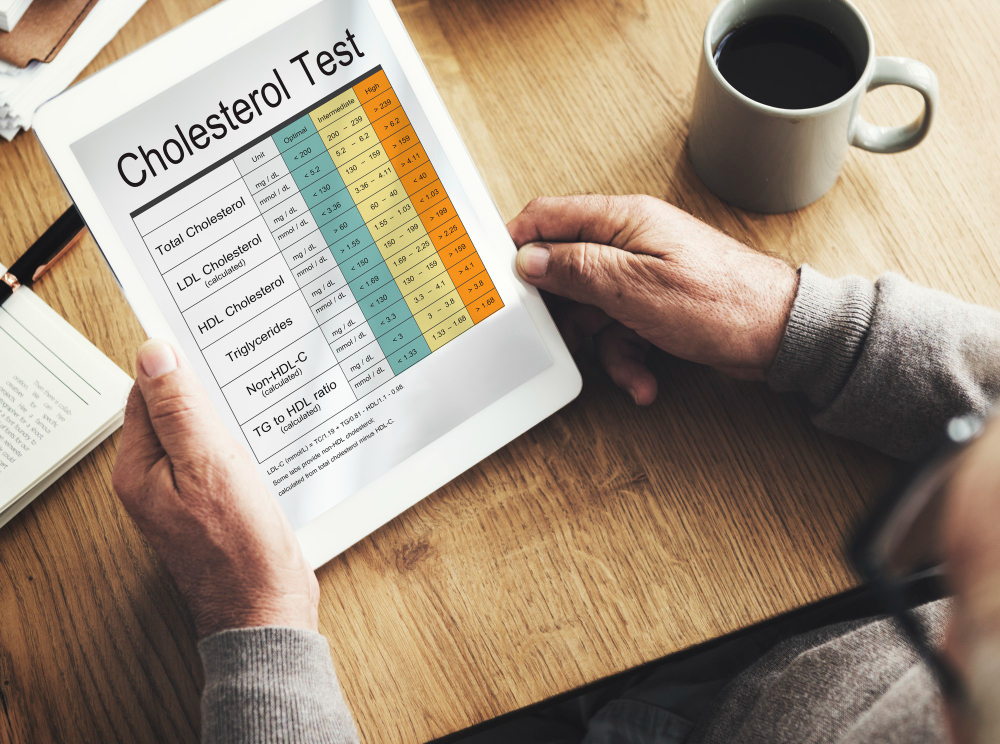
What is Dyslipidemia?
Dyslipidemia means having unhealthy levels of fats, like cholesterol or triglycerides, in your blood. These fats are important for your body, but too much can cause problems. There are different types of dyslipidemia. For example, some people have high cholesterol, while others have high triglycerides. Sometimes, both are high. According to the World Health Organization (WHO), dyslipidemia is common worldwide. In fact, many adults have high cholesterol without knowing it. Because it often has no symptoms, regular blood tests are important. Early detection helps prevent serious health issues.
Symptoms and Risks of Dyslipidemia
Often, dyslipidemia does not cause clear symptoms. However, over time, it can lead to serious health problems. For instance, high cholesterol can block blood vessels. This increases the risk of heart disease and stroke. Some people may notice signs like:
Because symptoms are rare, many people do not realize they have dyslipidemia. Therefore, regular check-ups are important. Early treatment can lower the risk of heart attacks and other problems.
Conventional Treatments for Dyslipidemia
Doctors often use medicines to manage dyslipidemia. Statins are the most common drugs. They help lower cholesterol levels. Other medicines include fibrates and niacin. Along with medication, doctors recommend lifestyle changes. For example, eating a healthy diet and exercising regularly can help. Sometimes, people need both medicine and lifestyle changes. Regular blood tests help track progress. While these treatments are effective, some people look for natural options as well.
Introduction to Homeopathy
Homeopathy is a natural system of medicine. It is based on the idea that “like cures like.” This means a substance that causes symptoms in a healthy person may help treat those symptoms in a sick person. Homeopathic remedies are made from plants, minerals, or animals. They are given in very small doses. Many people choose homeopathy for its gentle approach. It aims to treat the whole person, not just the disease. Homeopathy is used worldwide, including in many homeopathy clinics in India and other countries.
How Homeopathy Addresses Dyslipidemia
Homeopathy for dyslipidemia focuses on balancing the body naturally. Practitioners believe that each person is unique. Therefore, they select remedies based on the person’s symptoms, lifestyle, and emotional state. Homeopathy aims to support the body’s own healing process. For example, it may help improve metabolism and reduce unhealthy cholesterol. Some people use homeopathy for lipid disorders as part of a natural cholesterol management plan. However, it is important to work with a qualified practitioner for best results.
Common Homeopathic Remedies for Dyslipidemia
Several homeopathic remedies are used for high cholesterol and lipid disorders. The choice depends on the person’s symptoms and overall health. Common remedies include:
Because homeopathy is personalized, remedies may vary. Always consult a qualified homeopathic practitioner before starting any treatment.
Lifestyle and Dietary Guidance in Homeopathy
In addition to remedies, homeopathy encourages healthy habits. Practitioners often suggest:
These steps support natural cholesterol management. They also improve overall well-being. Homeopathy works best when combined with a healthy lifestyle.
Safety, Efficacy, and Scientific Evidence
Many people ask if homeopathy for dyslipidemia is safe and effective. Homeopathic remedies are usually safe when used as directed. They are made in very small doses, so side effects are rare. However, scientific evidence is mixed. Some studies suggest homeopathy may help lower cholesterol, but more research is needed. The World Health Organization (WHO) and Centers for Disease Control and Prevention (CDC) recommend using homeopathy as a complementary approach, not a replacement for standard care. Always talk to your doctor before making changes to your treatment plan.
Prevention Tips and When to Seek Medical Advice
Preventing dyslipidemia is important for long-term health. You can lower your risk by:
If you have a family history of high cholesterol or heart disease, talk to your doctor. Seek medical advice if you notice chest pain, shortness of breath, or other unusual symptoms. Early action can prevent serious problems.
Consult a qualified homeopathic practitioner or healthcare provider for personalized advice on managing dyslipidemia.